Resources
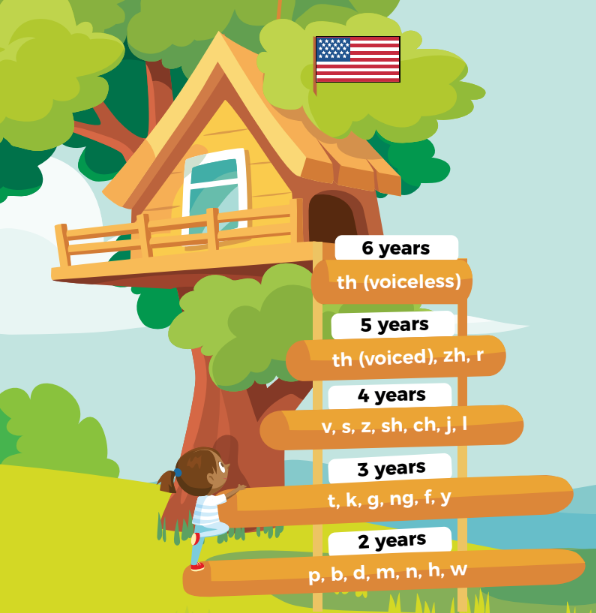
Speech Sound Development Chart
Information in this poster is based on 15 studies of 18,907 children speaking English in the United States (McLeod & Crowe, 2020). This information supplements the review of consonant acquisition across 27 languages (McLeod & Crowe, 2018) and should be used alongside other information about children’s speech acquisition; for example, typically developing 4- to 5- year old children are usually intelligible, even to strangers (McLeod, Crowe & Shahaeian, 2015).
References
McLeod, S. (2024). Learning English consonants. Charles Stuart University. Website: https://www.csu.edu.au/research/multilingual-speech/speech-acquisition/learning-english-consonants
Childhood Apraxia of Speech (CAS)
Click here to learn all about CAS or click on the image below to learn more about Dynamic Temporal & Tactile Cueing (DTTC)

References
Child Apraxia Treatment is a program of the Once Upon a Time Foundation, a Nonprofit 501(c)3 Organization. Website: https://childapraxiatreatment.org
Click here to learn about fluency disorders or click on the image below to learn more about what a neuroaffirming approach to speech therapy for stuttering/cluttering may look like
Fluency

References
American Speech-Language-Hearing Association (2025). Website: https://www.asha.org/practice-portal/clinical-topics/fluency-disorders/?srsltid=AfmBOoqOgZ2qSKO1LFnTFc8pdUDUxU5BV9OWYQ5yGyG8rFvsJXug6nAx#collapse_9
Reeves, N. A. & Yaruss, J. S. (2025). Toward Stutter-Affirming Therapy. The ASHA LeaderLive. Online publication: https://leader.pubs.asha.org/do/10.1044/leader.SCM.30012025.stutter-schools-slp.26/full/

Click here to learn detailed information about early language development, milestones, and language strategies to use at home